Gen Z Is Interested In The Skilled Trades. Are We Listening?
Gen Z is interested in the skilled trades. Here is what the research says they want from an employer and three things a sub can do to recruit them.

Gen Z Is Interested In The Skilled Trades. Are We Listening?
By Bryan Cook, QBC LLC. Published November 24, 2026. This is the long-form version of a [BUILD newsletter](LINKEDIN ARTICLE URL GOES HERE) issue written for fellow subcontractors.
The short answer: Gen Z is interested in the skilled trades. In a June 2026 survey, 66% of Gen Z adults said they would encourage a friend to consider a trade. To recruit them, be honest that the work is hard, put the pay range in the ad, show the career path, and respond to applicants within two business days.
Key takeaways
- 66% of Gen Z adults would encourage a friend to consider a skilled trade, and only 10% would discourage it.
- After financial independence, Gen Z is more likely than other age groups to name a career goal and a new skill as meaningful milestones.
- 44% of job seekers are unlikely to apply to a job ad with no pay range.
- Only 25% of Gen Z want fast promotions. They want to know there is a real next step and what it takes to get there.
Is Gen Z Interested In The Skilled Trades?
Yes. The research shows Gen Z respects the trades and is enrolling in trade programs in record numbers in Wisconsin.
There's a lot of talk among construction executives about Gen Z, and most of it is some version of "they don't want to work." The research says something different. In a June 2026 survey of 1,140 Gen Z adults, 66% said they would encourage a friend to consider a skilled trade and only 10% would discourage it. Here in Wisconsin, a record 12,141 high school juniors and seniors enrolled in the state's Youth Apprenticeship program last school year, and 1,547 of them were in architecture and construction.
Gen Z is interested in the skilled trades. What we should be asking is whether we're listening to what they're telling us, which brings me to this article.
Why Does Gen Z Ask Direct Questions About Pay And Stability?
They ask because the plans their generation made kept getting knocked over by things outside their control.
Danielle Farage writes about Gen Z and work, and she recently laid out her generation's career timeline on LinkedIn. They were kids during the 2008 recession. They graduated into a pandemic and started their first jobs from a bedroom. About the time they figured out the entry level job, AI could do it too. Her point was that every plan her generation made got knocked over by something outside their control, and that employers who want them to stay need to offer growth, mentorship, and a path.
That's not entitlement. That's a generation that has learned to ask direct questions about pay, stability, and what comes next.
What Does Gen Z Want From A Job?
Gen Z wants financial independence first, then a career goal to reach and new skills to learn.
Ogilvy Consulting and a research firm called Ideally asked about 1,200 American adults this month what would feel like a meaningful life milestone today, as reported in Fortune. Financial independence was the top answer for every age group. The difference with Gen Z was what came next. They were nine points more likely than everyone else to pick achieving a major career goal, and seven points more likely to pick learning a new skill.
Deloitte's 2026 survey of more than 22,500 Gen Z and Millennial workers adds to it. Only 25% of Gen Z said they want fast promotions, and only 6% said a leadership title is their main career goal. Most would rather grow steadily. They want stability and skills more than they want a title.
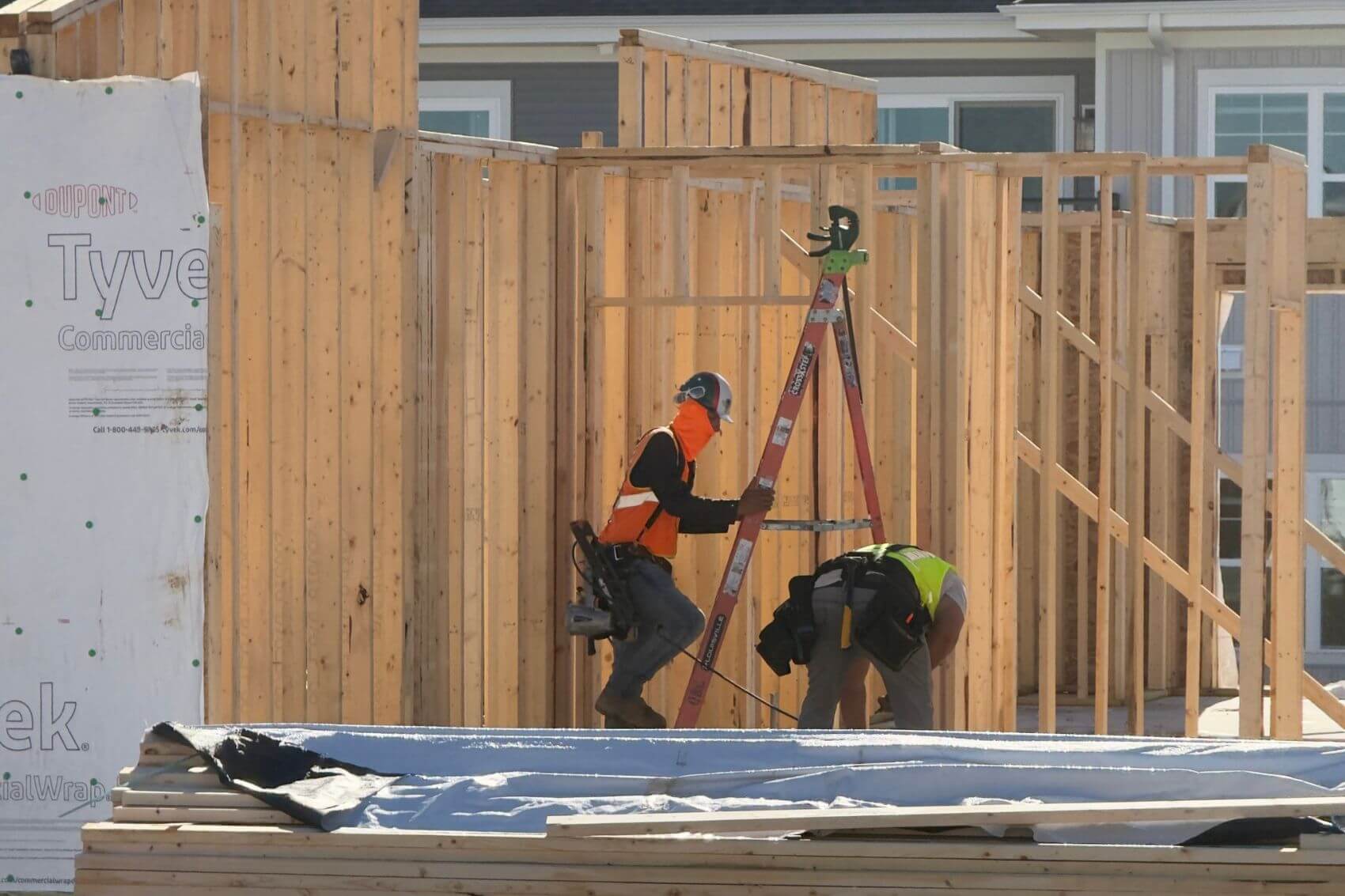
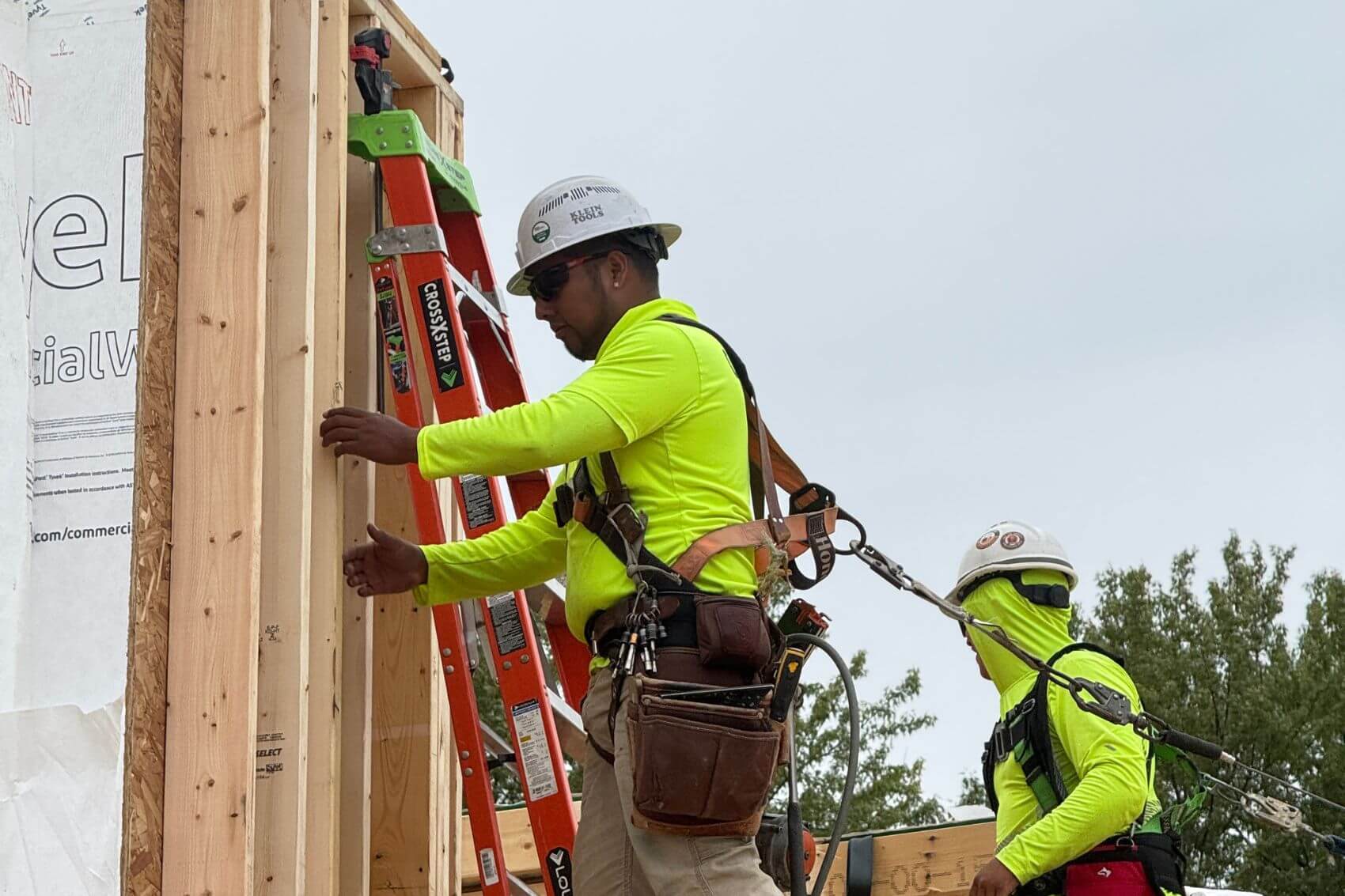
If you run a team of carpenters, the idea that Gen Z wants stability and skills more than a title should resonate with you. After all, becoming a master carpenter is all about working the steps, learning new skills, and getting paid.
Should You Tell Gen Z How Hard Construction Work Is?
Yes. Say it in the job ad, because they will find out on the first day anyway.
Now we have to balance this out with a big fat dose of reality. Construction is hard work, and some days it's very hard work. Don't hide that in your job ad. Since Gen Z cares about authenticity, give it to them. Let them come into the industry with their eyes wide open. They will find out how hard the work is on the first day anyway.
What you can tell candidates truthfully is that the work is satisfying, and at the end of the day they can see what they built. It's also very hard to see AI taking over every level of the skilled trades, at least until there are as many robots as humans. Half of the Gen Z adults in that June survey said AI has already changed how they think about their career.
Hard work, keeping it real, and knowing AI isn't breathing down their necks make the skilled trades an attractive place for Gen Z.
Should You Put The Pay Range In A Job Ad?
Yes. Close to half of job seekers are unlikely to apply to an ad that leaves it out.
A 2026 survey from Patriot Software found 44% of job seekers are unlikely to apply at all if there's no pay range in the ad. A lot of subs still write "competitive pay" and hope for a phone call. A generation that asks direct questions reads that as you're hiding something.
We list a pay range on every job on our Careers page, from $22 an hour for an Entry Level Carpenter up through our Project Managers.
How Do You Show Gen Z A Career Path In The Trades?
Write down each step, what it pays, and about how long it takes, and be honest about the timeline.
Remember the career goal. A young person looking at your company wants to know what comes after the first job.
We'll be honest, for a long time we had roles at QBC but nothing written down that showed how you get from one to the next. We've been fixing that. Today a framer here can see three steps: Entry Level Carpenter at $22 to $25 an hour, Framing Carpenter at $25 to $32, and Framing Lead at $37 to $44. Each step typically takes about two years, and advancement and raises are based on merit, so some people move faster.
Don't oversell the timeline. The Deloitte numbers say this generation isn't asking to be Foreman in six months. They're asking whether there's a real next step and what it takes to get there.
How Fast Should You Respond To A Job Applicant?
Within two business days, which is the commitment QBC makes on every job page.
Listening also means answering. If your process is receive a batch of applications, take 5 days to look through them and reach out to applicants, then ask for three interviews, you're losing people to the company that reached out within 2 business days, gave one interview, and offered that same day. QBC commits to contacting every qualified applicant within two business days. It's written on every job page, so we're held to it.
What Can A Subcontractor Do Right Now To Recruit Gen Z?
Here are three (3) things you can do immediately.
Put the pay range in every job ad you have running.
Write your career path on one page. Each step, what it pays, and about how long it takes to go from one to another. If you can't write it down, you need to figure out why.
Call your local high school and ask for the Youth Apprenticeship coordinator. You don't need a formal apprenticeship program to get in front of students. We don't have one, and we put students from a couple of local high schools to work alongside our framing crews.
Getting them in the door is the first half. In two weeks we'll cover the second half, which is keeping them. You can find every issue on our LinkedIn profile under the newsletter link.
We'd love to hear what's working for you. Questions or comments are welcome at media@questbuildingcorp.com.
Frequently Asked Questions
How old is Gen Z in 2026?Gen Z is generally defined as people born from 1997 through 2012, which makes them 14 to 29 years old in 2026. The oldest have been in the workforce for several years and the youngest are in high school.
Do you need a formal apprenticeship program to put high school students to work in Wisconsin?No. QBC LLC does not have a formal apprenticeship program, and we put students from a couple of local high schools to work alongside our framing crews. Call your local high school and ask for the Youth Apprenticeship coordinator. More than 99% of Wisconsin public school districts with a high school offered Youth Apprenticeship in the 2025-26 school year.
How long does it take to move up in framing at QBC?Each step typically takes about two years. Advancement and raises are based on merit, so some people move faster. The three steps are Entry Level Carpenter at $22 to $25 an hour, Framing Carpenter at $25 to $32, and Framing Lead at $37 to $44.
Does Gen Z think the skilled trades are safe from AI?Many do. In the June 2026 SimplyWise survey of 1,140 Gen Z adults, 46% said skilled trades feel safer than office jobs in an AI future, and half said AI has already changed how they think about their career.
Does listing pay in a job ad matter for older applicants too?Yes. The Patriot Software survey covered 1,000 Americans of all ages who applied for a job in the past year, and 44% said they are unlikely to apply to a posting without a pay range.
Sources
- SimplyWise, The June 2026 SimplyWise Trades & Technology Index
- Office of the Governor of Wisconsin, Youth Apprenticeship record enrollment announcement, 2025-26 school year
- Fortune, Ogilvy Consulting and Ideally survey coverage, November 23, 2026
- Deloitte, 2026 Gen Z and Millennial Survey
- Patriot Software, 44% Won't Apply Without Pay Transparency: What Job Seekers Expect in 2026
Need A Framing Or Finishes Sub For Your Next Project?
QBC LLC handles framing, finishes, countertops, and cabinetry on multifamily and commercial projects across Wisconsin. Send us your plans and we will bid every scope you need.